

Blog list
Specialty Eye Blog
Learn more about optometrist care in our blog!
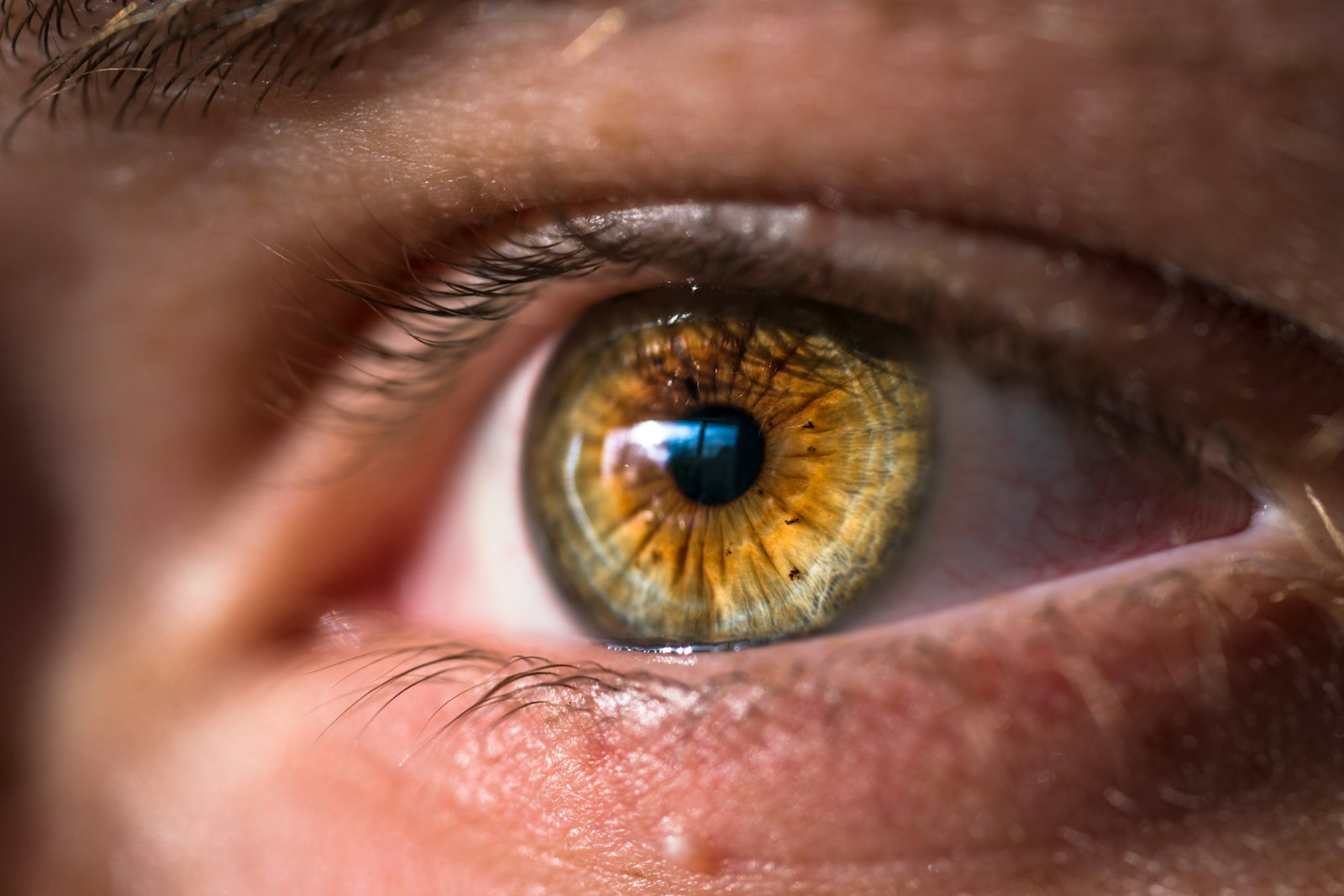
AMD is one of the leading causes of vision loss in adults over 50. This progressive eye condition affects the macula, the central part of the retina responsible for sharp, detailed vision. Understanding AMD's risk factors, recognizing early symptoms, and knowing available treatments can help pres...
Your eyes are one of your most valuable assets. Unfortunately, they're often overlooked when it comes to preventive health care. At our practice, we see countless patients who could have avoided vision problems with simple lifestyle changes and regular attention to their eye health. Here are our ...

Glaucoma is often called the "silent thief of sight," and for good reason. This group of eye diseases can gradually steal your vision without warning signs until significant damage has occurred. Understanding your risk factors is the first step in protecting your eyesight and catching this condit...

Dry eye disease is more than occasional irritation. For many, it’s a chronic condition that disrupts daily life with burning, redness, and blurred vision. While artificial tears can provide temporary relief, they often fall short for patients with more severe or persistent cases. That’s where autologous serum eye drops come in - a treatment designed from your own blood to deliver powerful, natural healing.

Driving after dark presents unique challenges that many people underestimate. While nighttime traffic is typically lighter, the reduced visibility significantly increases accident risk. Understanding how your eyes work in low-light conditions can help you stay safer on the road. The Science Behin...
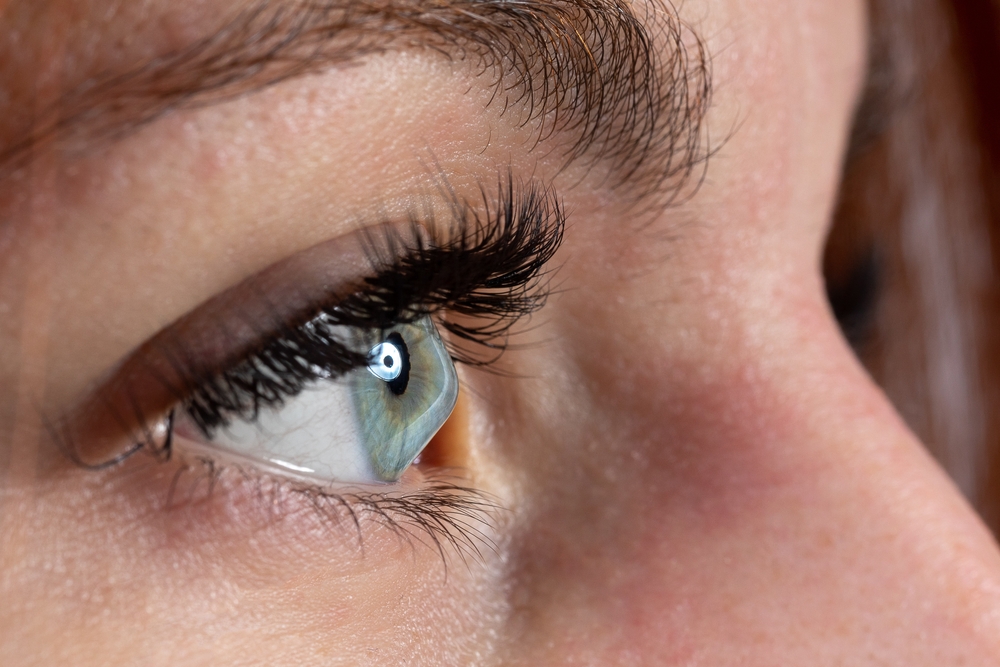
Keratoconus is a progressive eye condition that causes the cornea to thin and bulge into a cone-like shape. As the cornea becomes irregular, vision can become increasingly distorted, making everyday tasks like driving, reading, or working on a computer more difficult. While glasses may help in the earliest stages, most patients eventually require specialized contact lenses for clearer, more stable vision.
As eye care professionals, we love when patients ask questions. It shows you're invested in your vision health, and it gives us a chance to share knowledge that can make a real difference in your daily life. Over the years, certain questions come up again and again. Here are answers to some of th...

What happens when a vision problem goes completely unnoticed? The consequences can ripple through a child's entire educational journey and beyond, affecting far more than just their ability to see clearly. The Immediate Classroom Struggles In the short term, undiagnosed vision problems create imm...
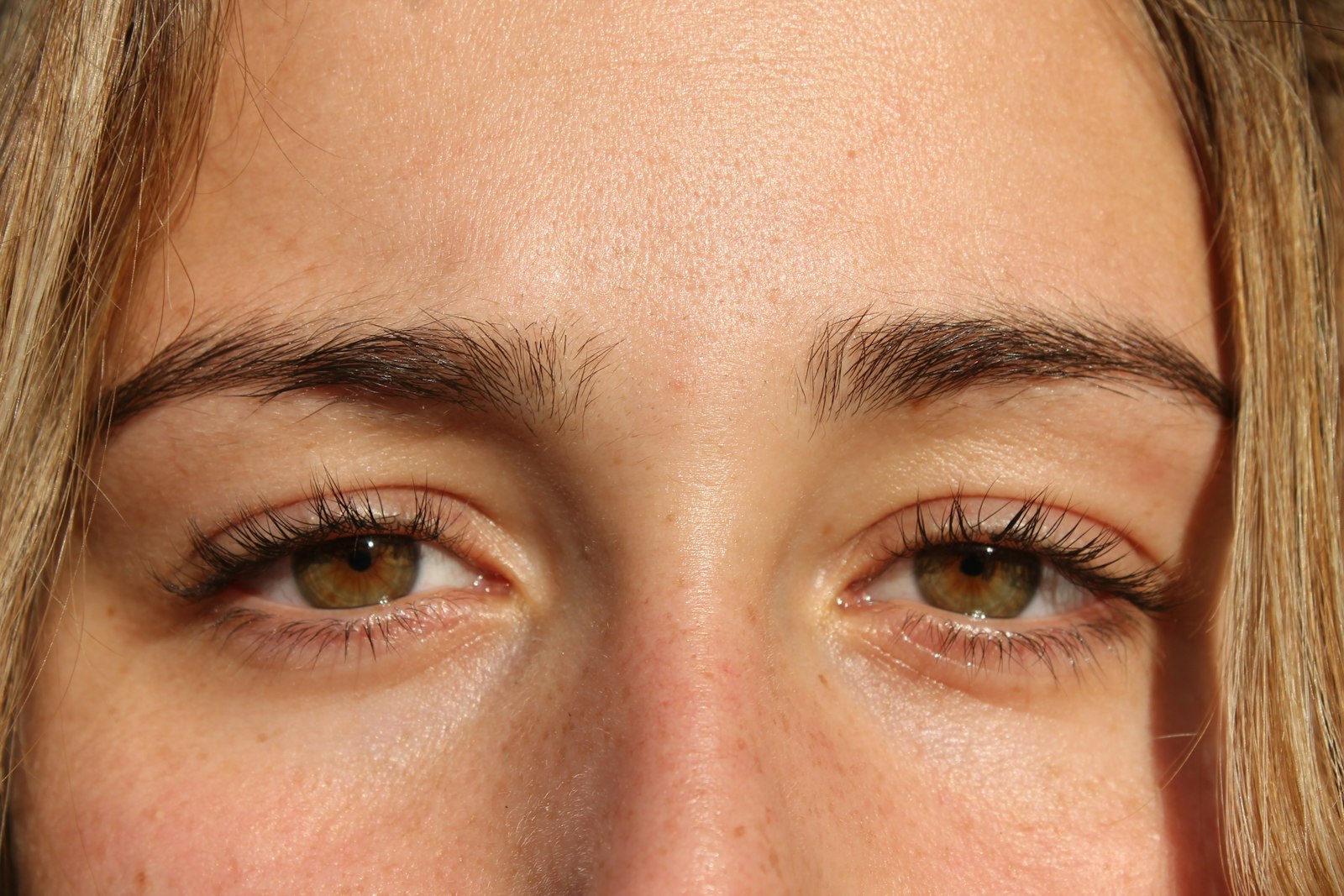
Autoimmune diseases occur when the immune system attacks healthy tissues. While many people associate these conditions with joint pain, fatigue, or skin problems, few realize that autoimmune diseases can significantly impact eye health. Understanding this connection is crucial for protecting your...

Lazy eye, also known as amblyopia, is one of the most common vision conditions affecting children. It occurs when the brain favors one eye over the other, causing reduced vision in the weaker eye. Early diagnosis and treatment play a crucial role in restoring visual function, and one of the most effective modern treatment options is vision therapy. But how does it work, and is it truly effective for treating amblyopia in children?


© 2026 Specialty Eye. All Rights Reserved. Accessibility Statement - Privacy Policy - Sitemap
