
Myopia, or nearsightedness, happens when the eye grows too long from front to back, causing distant objects to look blurry. For many children, myopia progresses as they grow. This can lead to stronger prescriptions year after year and may increase the risk of certain eye health concerns later in life.
At Specialty Eye, we view myopia as more than a vision problem. Our goal is to help slow progression early, support clearer vision, and protect long-term eye health through personalized myopia management.
How Atropine Eye Drops Work
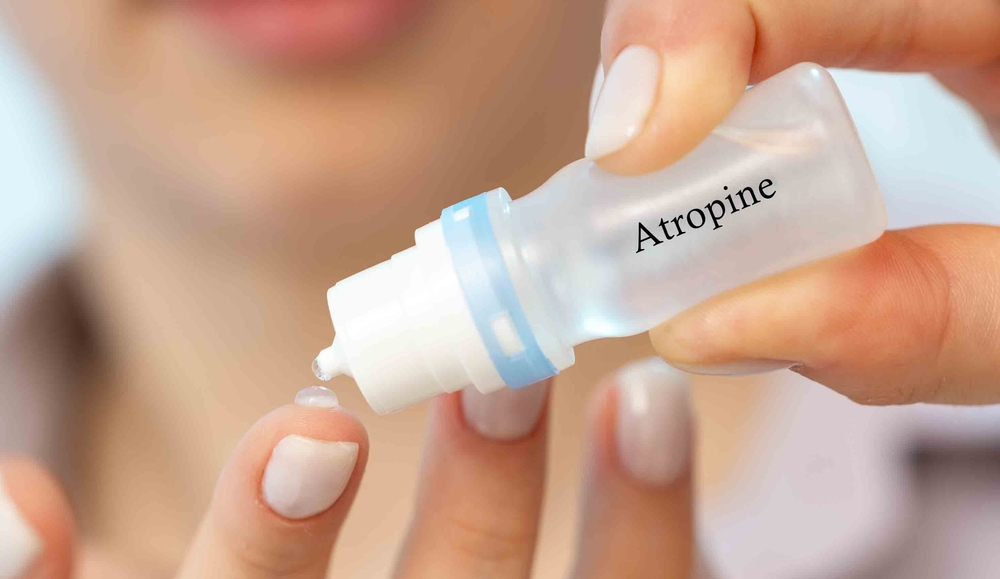
Atropine eye drops are one option used in myopia management to help slow how quickly a child’s nearsightedness progresses. Low-dose atropine is typically used once daily, often before bedtime, and works by influencing the eye’s growth pattern over time.
While atropine does not reverse myopia or remove the need for glasses or contact lenses, it can help reduce the speed of prescription changes. This makes it an important option for children whose myopia is progressing quickly.
Why Slowing Myopia Matters
When myopia worsens, the eye may continue to elongate. Higher levels of myopia can increase the risk of future eye conditions, including retinal problems, glaucoma, and other vision-threatening concerns.
Slowing myopia progression during childhood may help lower these long-term risks. Early treatment can also help children maintain more stable vision for school, sports, reading, and everyday activities.
Signs Your Child May Need Myopia Management
Parents may not always notice myopia right away, especially if a child assumes blurry distance vision is normal. A comprehensive eye exam can help us identify changes early and recommend the right approach.
Common signs of myopia can include:
- Squinting to see the board, TV, or distant objects
- Sitting very close to screens
- Complaints of blurry distance vision
- Frequent headaches or eye strain
- Holding books or devices close to the face
- A family history of nearsightedness
What To Expect With Atropine Treatment
Before recommending atropine eye drops, we perform a detailed eye exam and evaluate your child’s prescription, eye growth, and overall vision needs. If atropine is a good fit, we will explain how to use the drops, what to expect, and how often follow-up visits are needed.
Some children may experience mild light sensitivity or near-vision changes, although low-dose atropine is generally designed to reduce the chance of these effects. We monitor your child closely and adjust the treatment plan as needed.
A Personalized Approach At Specialty Eye
Every child’s eyes, lifestyle, and rate of myopia progression are different. At Specialty Eye, we take a customized approach to myopia management and may discuss atropine eye drops along with other treatment options, depending on your child’s needs.
We also partner with Treehouse Eyes, a nationally recognized pediatric myopia program, allowing us to offer advanced options and proven techniques to help manage nearsightedness in children.
To learn more about atropine eye drops and myopia management for your child, contact Specialty Eye in Kirkland, WA by calling (425) 821-8900.